

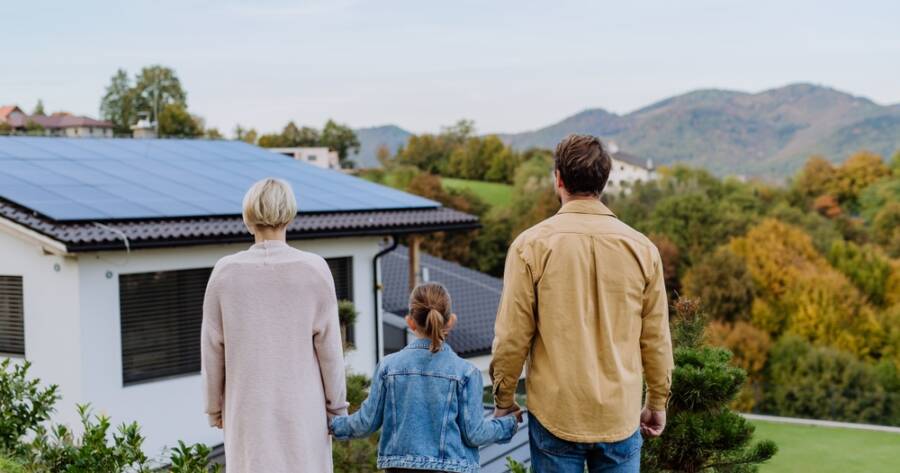
Eco-friendly homes are rapidly transforming the housing landscape in Australia, offering solutions to environmental and economic issues. Embracing technologies like solar panels, government incentives, and sustainable designs, eco-friendly homes provide financial savings and reduced carbon footprints. They represent a significant step forward in supporting a sustainable future while enhancing urban living and housing affordability.
Eco-Friendly Homes: A Sustainable Choice for the Future
Eco-friendly homes are emerging as a significant solution to the pressing environmental and economic challenges. These homes are gaining popularity due to their capacity to reduce energy consumption and promote sustainable living.
In Australia, many homeowners and potential buyers are recognizing the benefits of such homes, making them worth serious consideration.
The Financial Benefits of Eco-Friendly Homes
Green Star Homes, spearheaded by the Green Building Council of Australia, epitomize the financial advantages of eco-friendly housing options. While the initial cost of these homes is generally higher, due to features such as energy-efficient solar panels and double-glazed windows, the cost savings can be substantial.
These homes typically offer monthly energy bill savings of $90-$140, alongside reduced interest rates on loans, adding up to potential savings of around $115,000 over a home loan’s lifetime.
Government Incentives and Green Leases
Australia’s commitment to sustainable housing is further demonstrated through government initiatives such as green leases. These agreements mandate tenants to practice energy conservation and use renewable energy.
Such innovations not only reduce utility costs but also make eco-friendly projects more economically viable by circumventing the high upfront costs associated with purchasing land. The government encourages the adoption of green leases through incentives like tax breaks and concessional loans, fostering a sustainable future while addressing housing needs.
Sustainable Housing for Renters
For renters in Australia, housing sustainability remains a critical issue. Many rental properties fall short of meeting energy performance standards, impacting low-income renters the most through high energy costs.
Initiatives are being put forth to introduce minimum energy performance standards and retrofit programs for rental properties, improving both efficiency and comfort. Additionally, financial incentives for landlords who improve energy performance can serve as a stimulus for enhancing rental housing quality and providing better living conditions.
Green Architecture and Urban Living
Incorporating green architecture principles into Australian housing is pivotal for confronting environmental challenges. Sustainable designs feature passive elements like natural sunlight and wind to minimize energy consumption, while green roofs help manage stormwater and promote biodiversity.
These innovations are proving invaluable in cities like Melbourne and Canberra, aiding in urban heat island mitigation and enriching urban environments through sustainable practices.
Technological Advancements in Eco-Friendly Homes
The evolution of technology has further boosted the practicality of sustainable homes. Integration of smart technologies for efficient management of lighting, heating, and cooling has contributed to a significant reduction in energy consumption.
Besides, innovations in water conservation, including rainwater harvesting, have become standard practices. Sustainable housing now often includes eco-friendly materials and energy-efficient appliances, reducing the overall environmental footprint while enhancing home efficiency.
Learn More About Eco-Friendly Homes
The growing emphasis on eco-friendly homes in Australia underlines their role in addressing both environmental and economic challenges. With financial incentives, government backing, and technological advancements, these homes offer both economic benefits and sustainable living solutions.
Whether through energy savings, reduced environmental impact, or improved living conditions, eco-friendly homes are worth exploration for anyone interested in contributing to a sustainable future.